FLASH NEWS


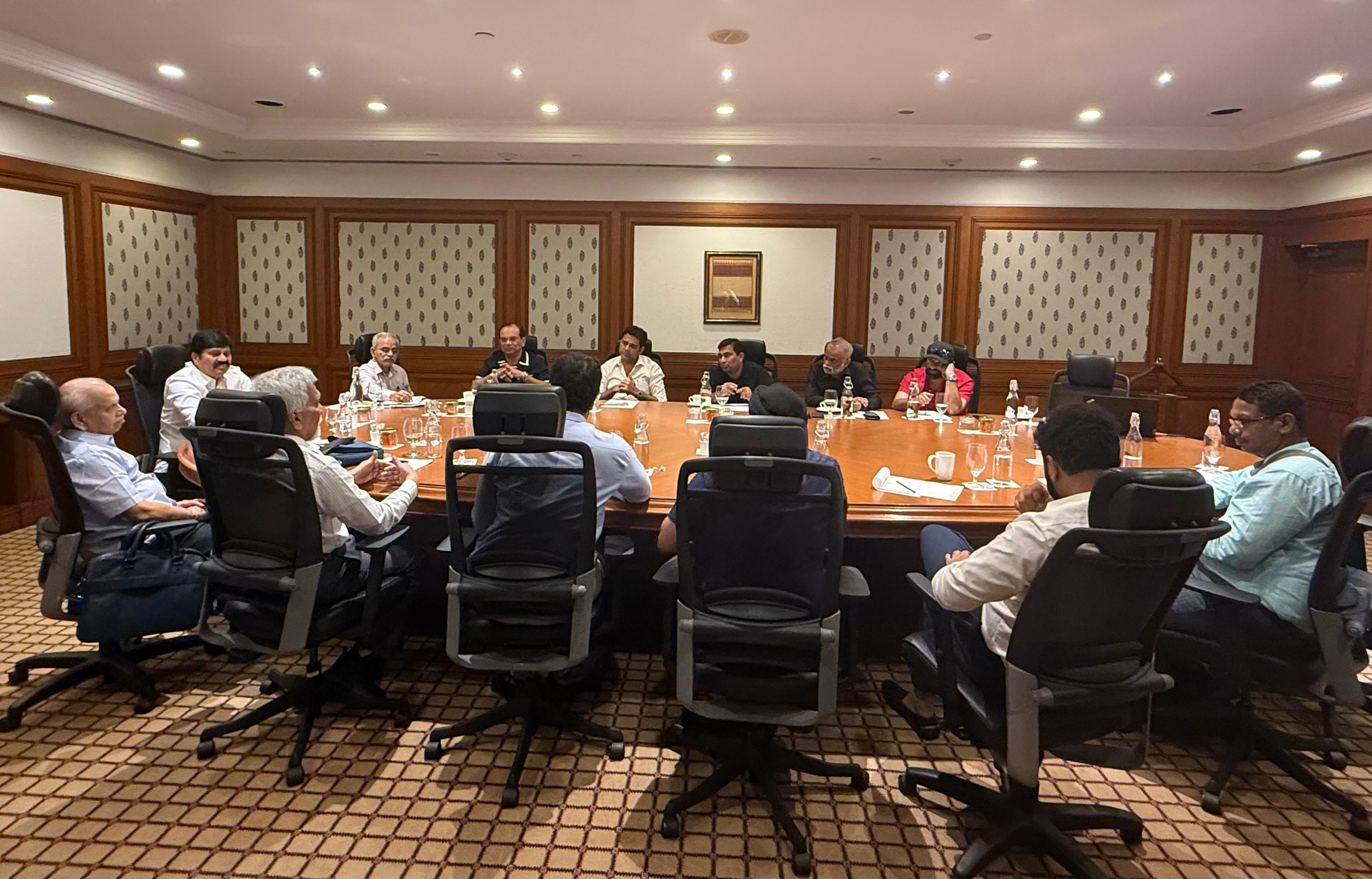
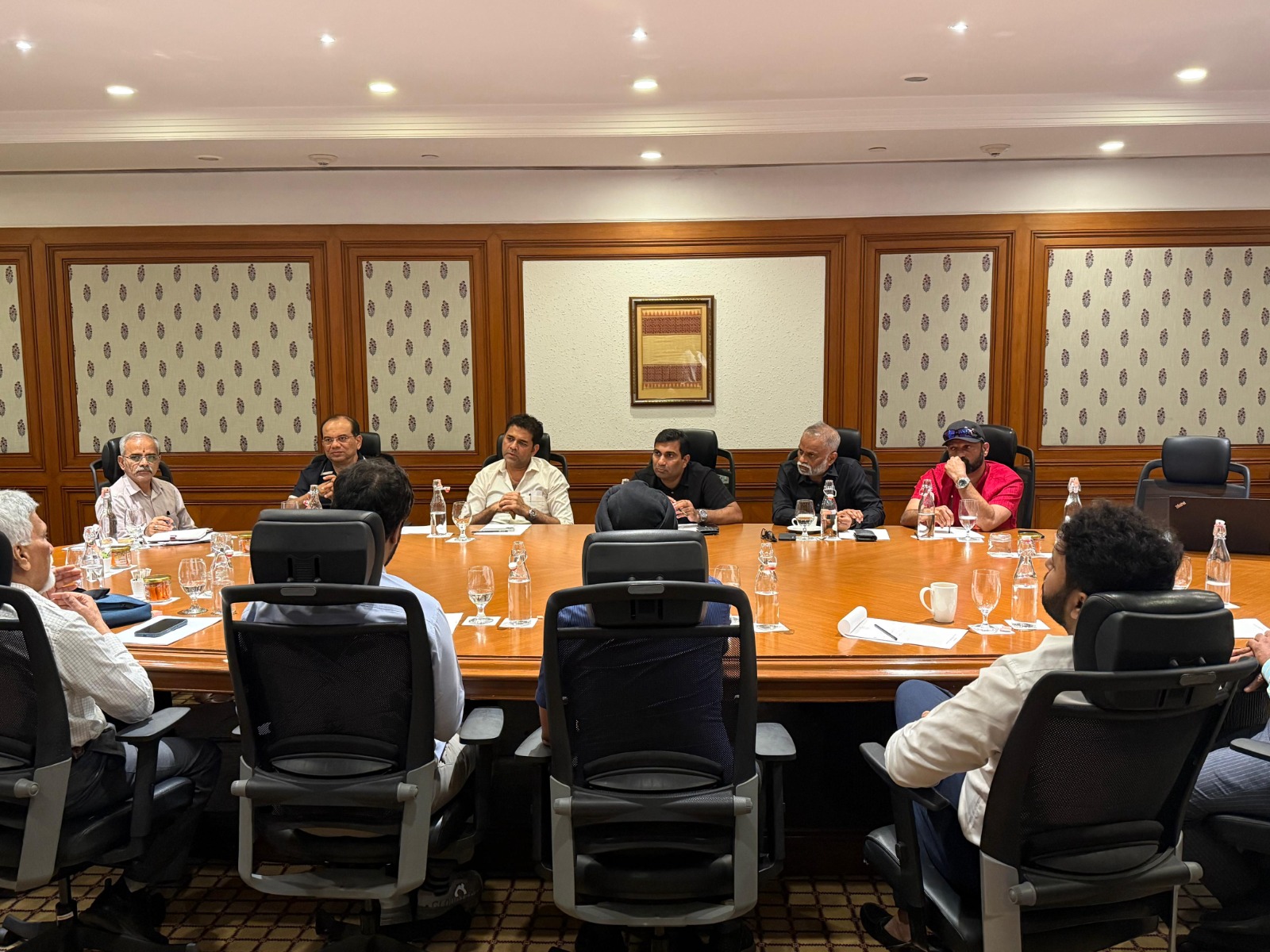
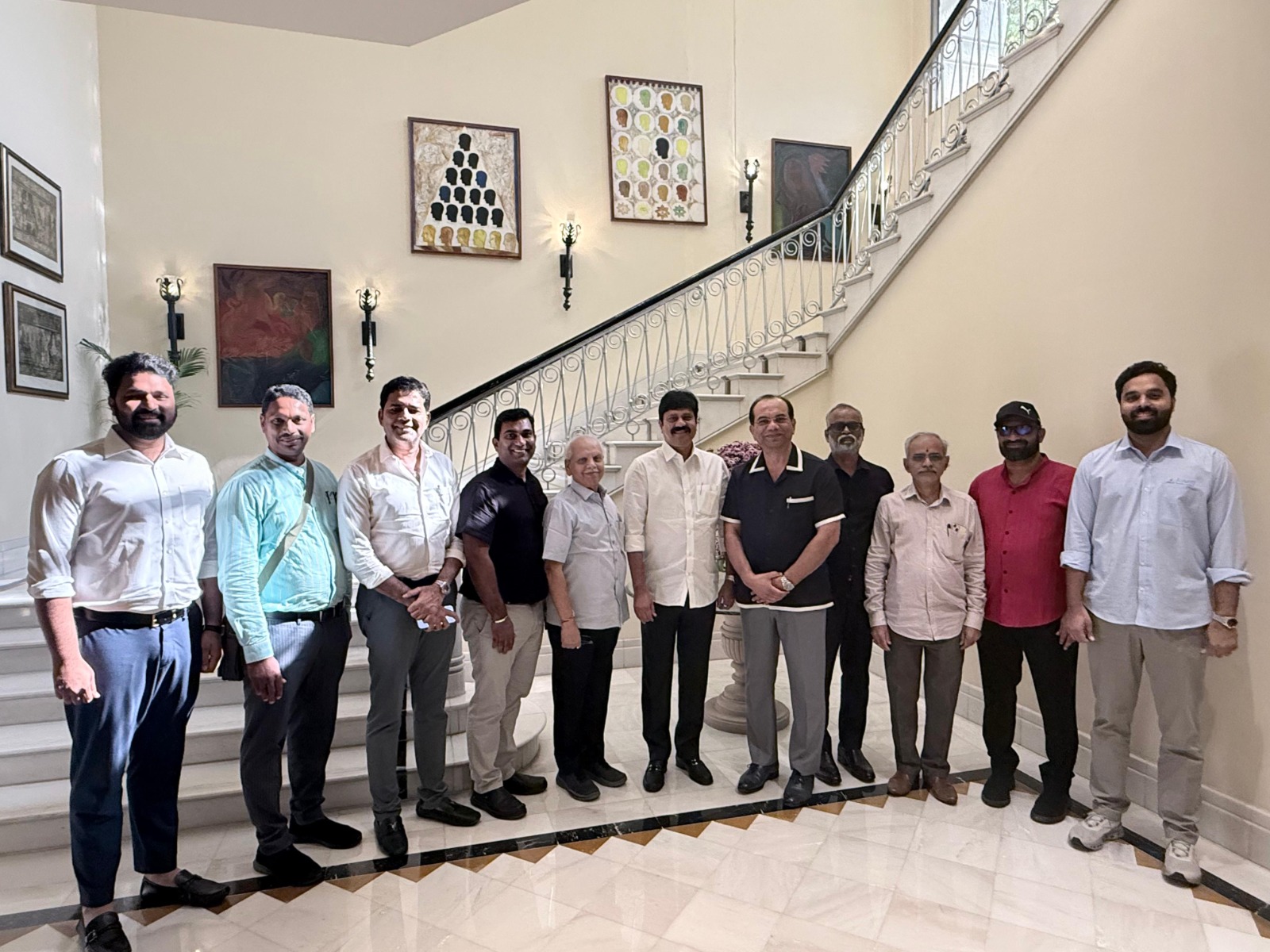
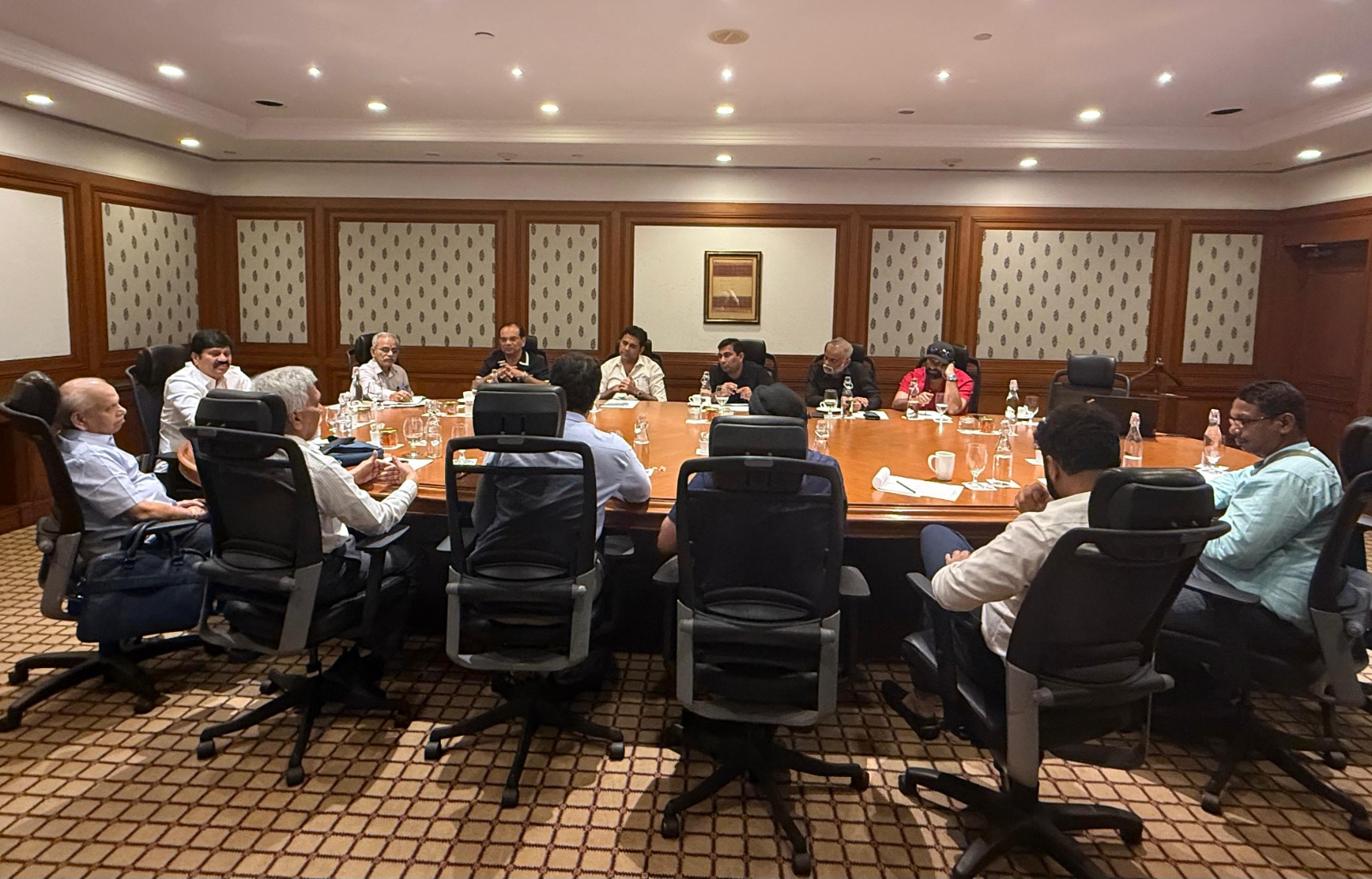
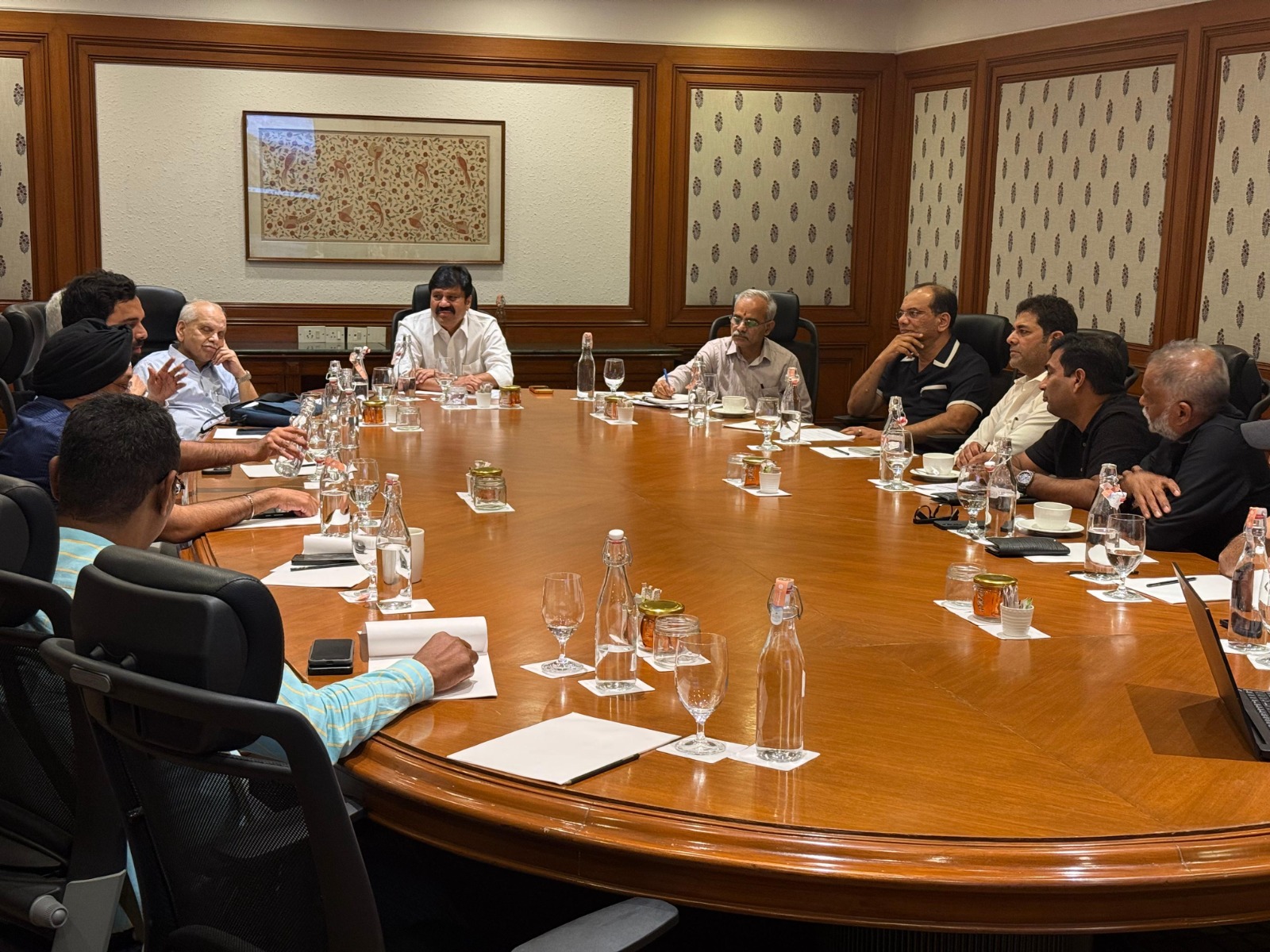
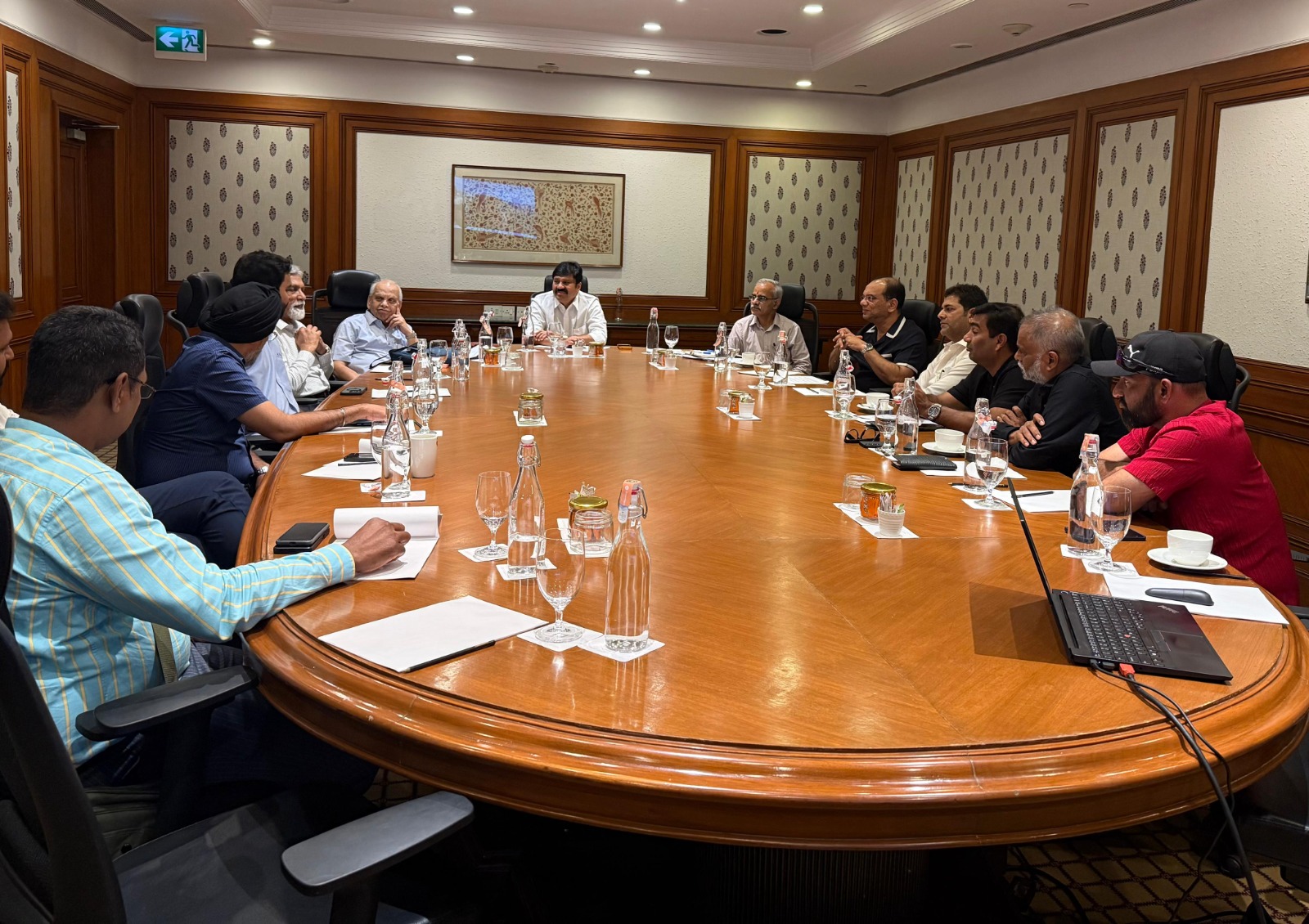
The stakeholders of the Small Pelagic Purse Seine Fisheries – Karnataka State FIP had a constructive and insightful meeting with Dr. Alluri Indra Kumar, CMD of Avanti Feeds Limited, along with his team on 10th April 2026 in Hyderabad.
The meeting focused on key issues concerning the fishmeal and fish oil (FMFO) sector, sustainability, and compliance across the fisheries value chain.
Key discussions and clarifications:
🔹 Environmental Compliance
Concerns raised by Ocean Outlaw regarding the Indian fishmeal industry were discussed in detail. Stakeholders reiterated that such allegations are unfounded and misrepresent the sector. The FMFO industry operates under strict regulatory oversight, with statutory authorities conducting regular and unannounced inspections to ensure full compliance with environmental norms.
🔹 Labour Practices
It was clearly affirmed that there are no instances of child labour, forced labour, or violations of labour laws within Karnataka fisheries, including FMFO factories and associated supply chains. Regular monitoring and inspections by labour authorities ensure adherence to all applicable regulations.
🔹 Social Compliance & CSR Contributions
All FMFO stakeholders are aligned with social and statutory compliance requirements under Indian laws. Beyond compliance, the sector plays a significant role in supporting local communities through meaningful CSR initiatives.
🔹 Sustainability & Traceability
A strong traceability system is in place across the fishmeal supply chain—from fishing vessels to final product delivery. All products are traceable to the vessel level, aligned with international frameworks such as MarinTrust, ensuring transparency and accountability.
🔹 Fishing Practices & Livelihoods
Fishing vessels operating in Karnataka follow all statutory and social compliance requirements. The sector operates on a profit-sharing model, where earnings from the catch are distributed fairly among stakeholders, with incomes typically exceeding minimum wage standards. Fisher associations actively monitor the system and resolve any disputes, ensuring a well-structured and equitable framework.
This engagement reflects the sector’s continued commitment to responsible practices, transparency, and sustainable growth across the fisheries value chain.